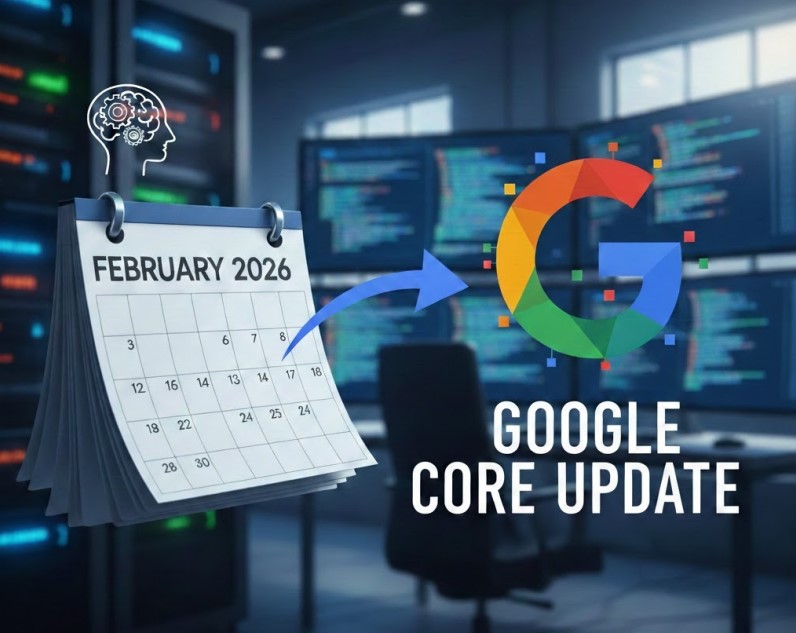
Google has released its first Discover Core Update of 2026, reshaping how content appears in Google Discover feeds. This major update focuses on locally relevant content and prioritizes expert, in-depth, and timely information that aligns with user interests and regional context.
Unlike traditional search, Discover recommends content passively, delivering the right articles to the right users without explicit queries.
For marketers, publishers, and businesses, understanding this update is essential to boost visibility, increase engagement, and build authority. The rollout is gradual and may take up to two weeks to fully complete.
What Is the February 2026 Core Update?
Google describes the February 2026 update as a broad adjustment to the systems that surface content in Discover. Its core objectives are:
- Showing more locally relevant content from websites based in the user’s country.
- Reducing clickbait and sensational content, emphasizing authenticity and trustworthiness.
- Promoting in-depth, original, and timely content from sources with recognized expertise in a specific topic or entity.
John Mueller from Google clarified that the update evaluates topic-specific expertise on a page-by-page or section-by-section basis. For instance, a local site with a gardening section may gain authority in gardening content, even if it covers multiple unrelated topics.
Conversely, a site with a single off-topic article will not achieve the same visibility. This demonstrates Google’s focus on entity recognition, topical authority, and content relationships, ensuring users are presented with trusted and contextually relevant information.
Why the February 2026 Update Matters
The Discover update is significant for several reasons:
- Enhanced Visibility – Discover drives passive traffic, meaning users are exposed to content without actively searching. Pages that demonstrate expertise in a topic or entity are more likely to be recommended.
- Increased Engagement and Trust – By prioritizing original and in-depth content over sensational or clickbait articles, Google encourages higher-quality engagement. Users are more likely to interact with content that provides insights, actionable information, or detailed coverage.
- Alignment with AI and Voice Search – Entity-rich, structured content is more likely to be surfaced in voice queries, AI-driven answers, and featured snippets, extending the reach of your content beyond traditional search.
- Local Relevance Matters – Google emphasizes showing content that is regionally and contextually relevant. Websites that focus on local expertise, events, or contextually relevant topics benefit from higher discoverability in their target markets.
How the Update Works
The February 2026 Discover Core Update operates using entity-based ranking principles rather than relying solely on keywords. Key factors include:
- Entities – Topics, authors, domains, or recognized subjects that demonstrate authority.
- Entity Relationships – How these topics relate to each other, e.g., an article linking gardening expertise to environmental sustainability or local trends.
- Content Depth and Timeliness – In-depth tutorials, case studies, research articles, or news that provide value and freshness.
- User Personalization – Recommendations are tailored to users’ interests, previous engagement, and behavioral patterns.
Google’s Knowledge Graph and entity recognition system map these relationships, allowing it to associate content with specific topics, contexts, and user intents. Pages with clear expertise and strong entity signals are more likely to appear in Discover feeds and related recommendations.
Entity-Centric Content Considerations
Businesses and content creators can optimize for this update by focusing on entities, their attributes, and relationships:
- Topic Authority – Demonstrate expertise in specific domains rather than producing superficial content. For example, a tech blog could establish authority in AI by publishing multiple in-depth articles covering algorithms, applications, and trends.
- Contextual Relationships – Clearly connect related topics or concepts. A content piece about AI could link to ethical considerations, use cases, and expert contributors.
- Timeliness and Originality – Google prioritizes fresh and unique content that reflects current trends, news, or emerging research. Evergreen content is still valuable but should be regularly updated.
- Structured Data and Schema – Implementing JSON-LD schema for articles, FAQs, authors, and topics can reinforce entity recognition and improve Google’s understanding of content relationships.
- Avoid Clickbait and Misleading Previews – Titles, snippets, and images should accurately reflect the content. Misleading or sensationalized previews are likely to be deprioritized.
Content Examples in Practice
Entity-focused content can be implemented across multiple verticals:
- News and Media – Local news sites that consistently cover specific beats (e.g., local politics, community events, environmental issues) are rewarded for topic depth and timeliness.
- Education and Research – Blogs or platforms providing detailed tutorials, research summaries, or expert commentary gain higher discoverability by establishing authority across multiple connected topics.
- Business and Services – Companies producing informative guides, comparisons, or case studies that demonstrate domain expertise will appear more in user recommendations, improving passive traffic.
FAQ
What is the February 2026 Discover Core Update?
It’s a Google algorithm update for Discover feeds, emphasizing entity relevance, topical expertise, and high-quality content.
How does it affect websites?
Sites with clear authority and in-depth content may see higher visibility, while low-value or clickbait content is deprioritized.
How can businesses optimize for this update?
Focus on entity-based, high-quality content, structured data, and contextual relationships between topics.
Does it impact traditional search results?
Indirectly. Pages optimized for Discover are more likely to appear in featured snippets, Google News, and AI-driven recommendations.
How does Google measure expertise?
Google evaluates topic-specific expertise, rewarding sites with consistent coverage and authoritative content rather than isolated mentions.
Conclusion
The February 2026 Discover Core Update signals Google’s continued commitment to entity-based SEO, topic expertise, and personalized content discovery. Websites that focus on authority, depth, contextual relationships, and timely content are best positioned to benefit from this update.
By adopting a semantic, entity-focused approach, businesses can increase visibility, engagement, and trust, ensuring long-term success in Google Discover and related AI-driven platforms.
Boost your Google Discover visibility now. Contact us for expert SEO services tailored to the Feb 2026 update!